


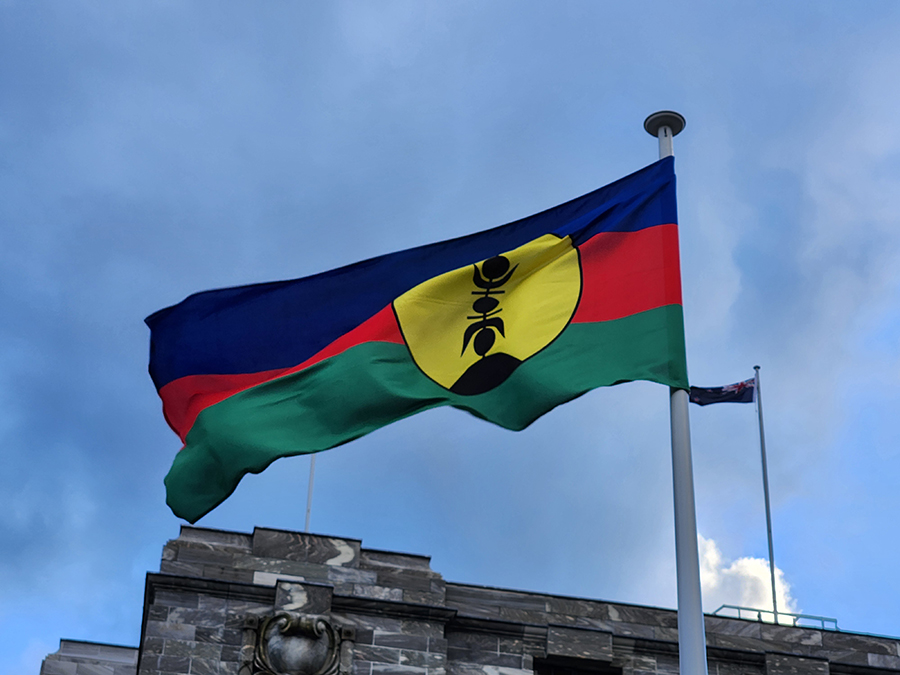
The return of geopolitics, climate change, and an intensified search for rare metals for the green transition have increased the pressure on many peoples around the world struggling for self-determination. How do Indigenous peoples visualise self-determination under an increasing geopolitical pressure and rapid global warming?
The purpose of this project is to explore how self-determination without full independence may be exercised by Indigenous peoples living in constitutional relationships with colonial metropolitan states. The hypothesis is that Indigenous understandings of self-determination are developed in conflict with the metropole on sustainable development related to land use, culture and socioeconomic development, where geopolitical considerations are decisive. We focus on two small island territories, Greenland and New Caledonia, both suffering from climate change, and their natural resources are increasingly at the centre stage of international politics where geopolitical ambitions are superimposed over their long-lasting struggles for self-determination.
Specifically, the aims are to:
- document Indigenous perceptions of self-determination under conditions of geopolitical contestation in a rapidly warming world;
- identify possible trade-offs between different institutional arrangements compatible with these perceptions; and
- develop a theoretical understanding of self-determination without independence based on a previously ignored Indigenous position.


