


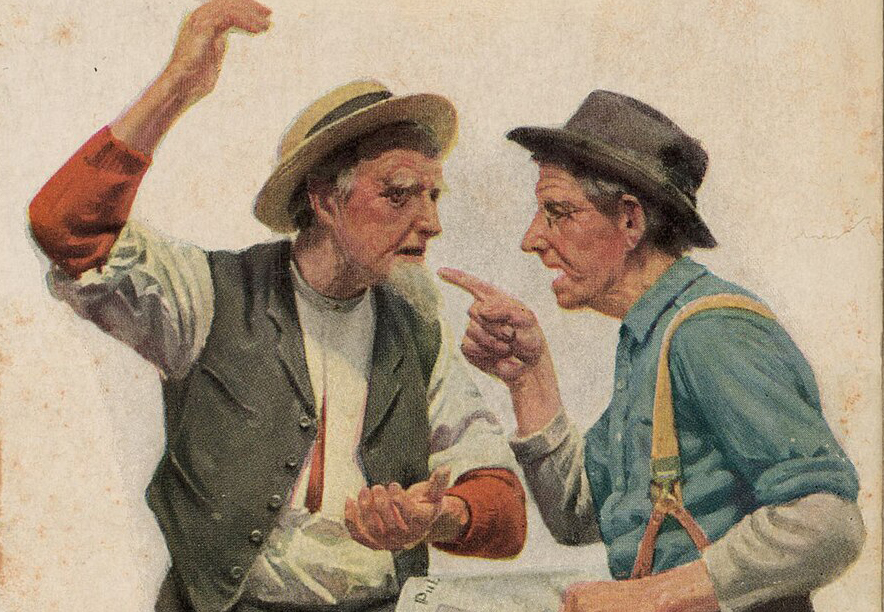
The study tests the hypothesis that the problem is not just about affective polarization, but about the politicization of democracy itself. When voters no longer see disagreement about the meaning of democracy as reasonable, political opponents begin to be perceived as irrational or suspicious. Democracy then no longer becomes a common point of reference, but an object of party-political conflict. The starting point is that voters often apply different standards: undemocratic behavior by political opponents is condemned, while similar behavior within their own movement is tolerated.
The project aims to better understand this mechanism and thereby contribute to more accurate interventions in education, political communication and institutional design. A sustainable democracy requires not only support for democratic ideals, but also citizens who accept that reasonable people can disagree about democratic norms.


