


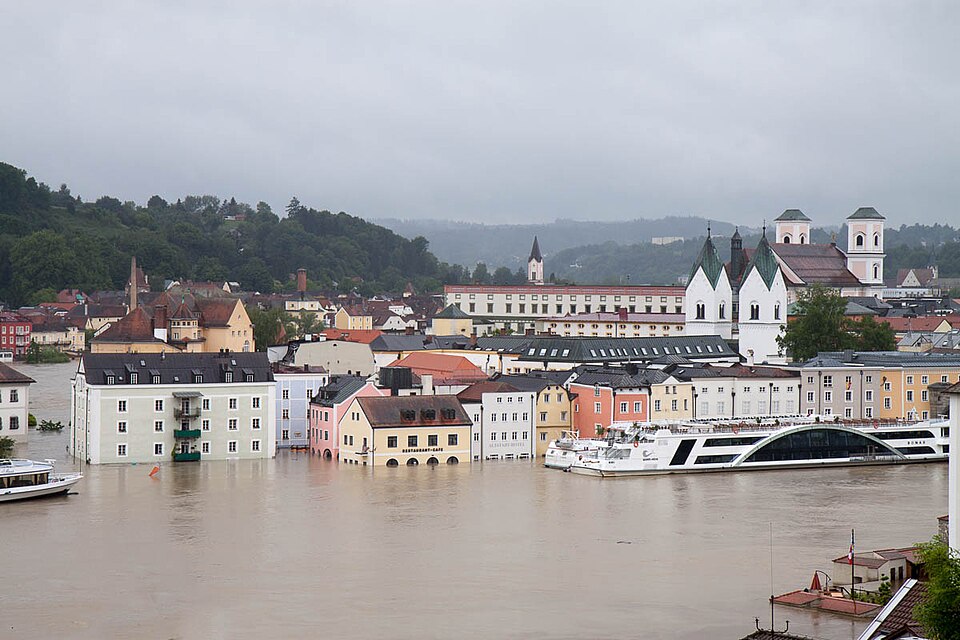
Climate change has led to an increase in extreme weather events, resulting in complex dilemmas in risk management, particularly related to insurance coverage. As premiums rise and insurance uptake diminishes, risks may be transferred onto individuals or, if the state assumes responsibility, socially shared. These trends could prompt a complex redistribution of risks, duties, and responsibilities between individuals, insurance companies, and the public sector. They may also trigger fairness dilemmas, as individuals suffer harm caused by others, while the ability to pay for insurance varies between individuals.
This project seeks to examine these pressing issues by exploring public attitudes toward risk, responsibility, and fairness in the context of rising insurance costs and increasing climate-related vulnerabilities. The study aims to:
(1) identify the major value conflicts and ethical dilemmas associated with the growing unaffordability of insurance;
(2) explore public perceptions of insurance-related risks, compensation disputes, and government intervention through surveys, directed to climate-disaster-affected areas by the usage of geodata, in Sweden and Austria; and
(3) conduct experiments to analyze responsibility attribution, adaptation, and fairness in climate disaster compensation. The project will offer insights into how individuals and societies navigate the ethical and practical challenges posed by climate-related insurance crises.
IFFS is a project partner in this project which has its base at Gothenburg University where you find the PI Sverker C Jagers.


