


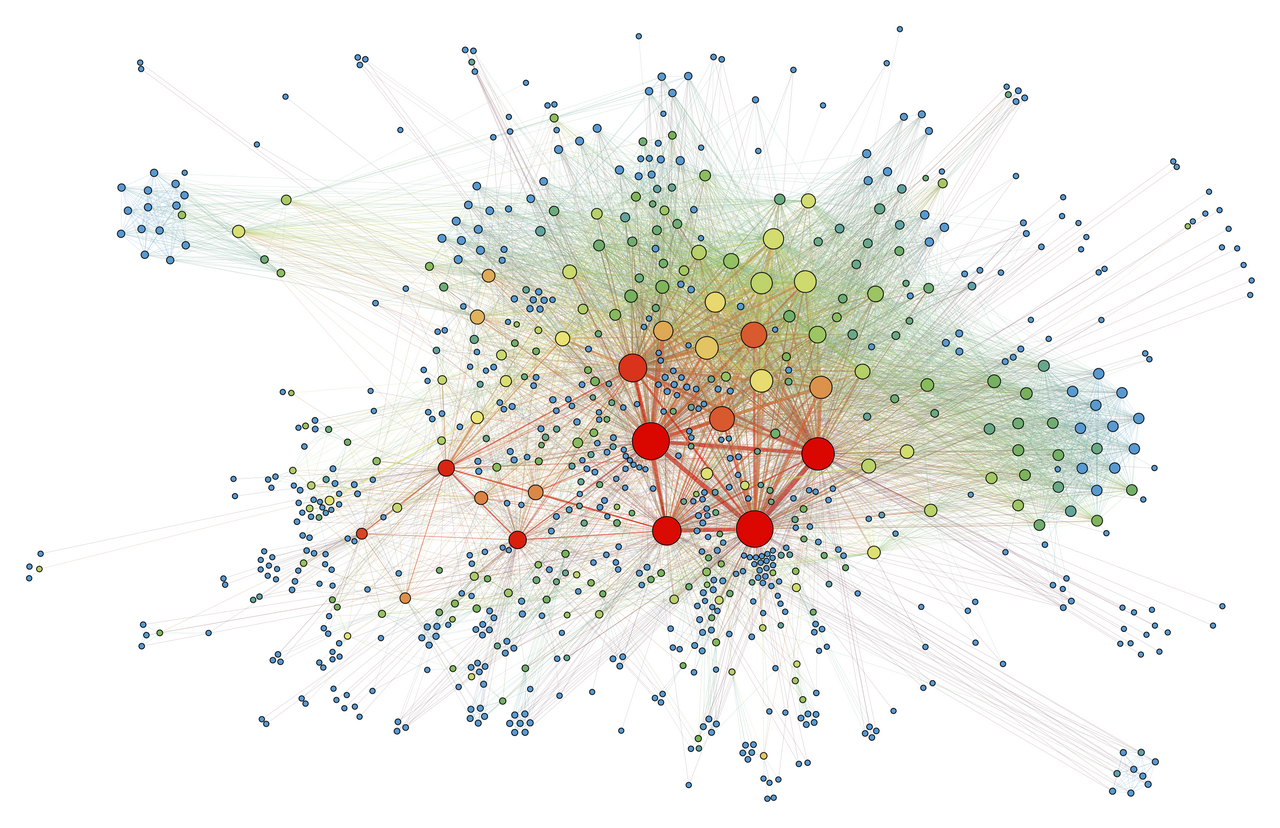
The last comprehensive study analyzing Swedish elites, the 1990 Power Commission, suggested that there were two distinct elite groups in Sweden: one centered around large corporations and their interest organizations, and another rooted in the labor movement, encompassing the Social Democratic Party, trade unions, and affiliated associations. However, given the radical transformation Swedish society has undergone since then, is this still the case? In this research project, we aim to map the contemporary political and corporate Swedish power elite by asking two key questions: who are they and how are they connected?
We bring together a group of outstanding scholars who have previously conducted impactful research on elites in the Scandinavian countries. Theoretically, our research contributes to the burgeoning literature on elites in the modern welfare state, shedding light on the cohesion and fragmentation of power elites. Methodologically, we combine a positional and relational approach to social network analysis with LLM-assisted mapping of power elite subjects’ biographies, thereby advancing the study of elites. Empirically, the results will inform policymakers about how elites operate, maintain their positions, and perpetuate their influence—questions that remain fundamental to democracy and have potential implications for pressing democratic challenges such as economic equality, poverty reduction, social mobility, integration, and gender equality.


