


The great challenges of the future and how we can plan for them
Photos by: Melker Dahlstrand/Sveriges riksdag
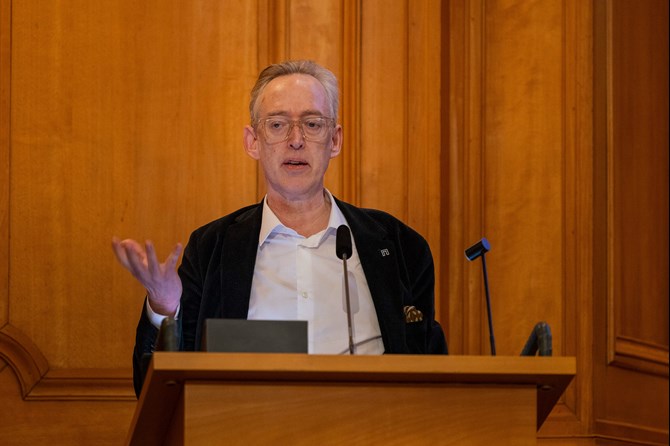
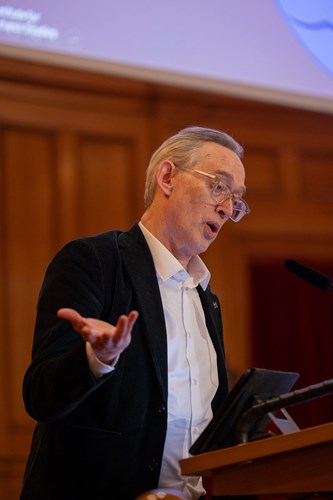
Why do we find it so difficult to plan for the long-term future, and what can we do about it? Gustaf Arrhenius, CEO of the Institute for Futures Studies and professor of practical philosophy, gave a lecture at "The Riksdag's Research Day: Politics and Long-term Challenges" on how we can become better at thinking and planning for the future.
Watch the talk here (in Swedish)
When we plan for risks, we often think of the most likely outcome but forget about less probable future scenarios—even those that, in other contexts, would have been considered to involve unacceptably high risks. One example is climate change. The UN Climate Panel, IPCC, assesses the probability of six degrees of warming—a catastrophe for humanity—as much higher than the risk we are willing to accept in, for example, air traffic.
"If we had the same acceptance of risk in aviation safety as we have regarding climate change, scores of planes would be falling out of the sky every day," says Gustaf Arrhenius, CEO of the Institute for Futures Studies, who gave a lecture at "The Riksdag's Research Day: Politics and Long-term Challenges" on how we can become better at thinking and planning for the future.
One problem with planning long-term is that democracy has a kind of built-in bias toward the present, at the expense of the future.
"In democracies, there is a risk of present-bias, because those who vote exist here and now. It is difficult to make an election issue out of something where those worst affected, those who perhaps care the most—future generations—do not vote," says Gustaf Arrhenius.
Fortunately, there are things we can do about it. But it requires the future to be actively made a part of today’s politics.
"I believe the only way to promote long-term decision-making is to create institutions for it, and there are several examples one can be inspired by. In Wales, there is a commissioner for future generations who monitors that all public bodies follow a long-term sustainability principle. In Finland, there is a permanent committee for long-term societal issues. And in Israel, from 2001–2006, there was a 'Commission for Future Generations' that could intervene and issue opinions on legislative matters deemed to have a significant effect on coming generations. They could thereby delay legislation, which was an effective instrument of power," says Gustaf Arrhenius.
 – I
– I


